
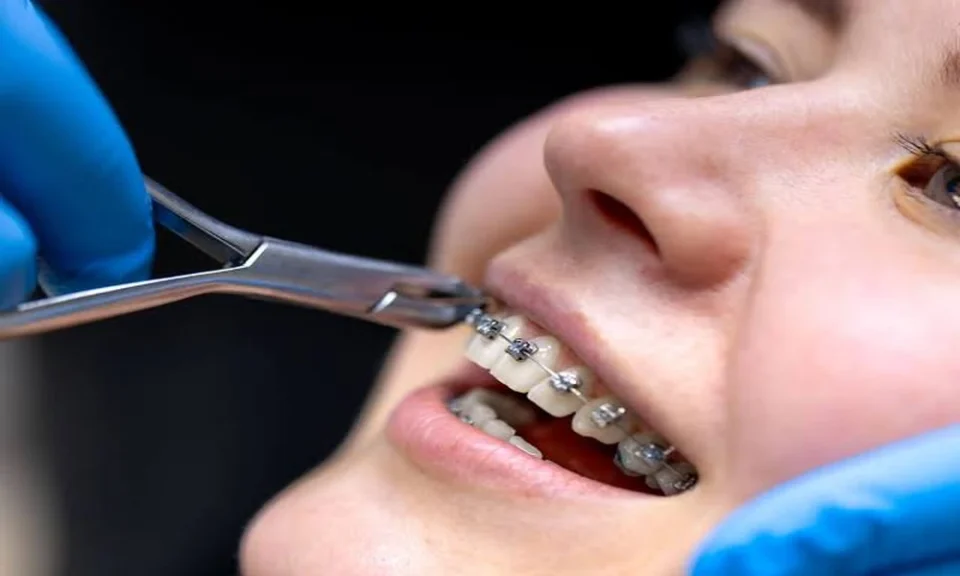
You notice it while eating, brushing, or running your tongue along your teeth. One bracket feels loose, twisted, or completely off. If your next visit is still days away, the worry shows up fast. Will your teeth shift back, will it hurt more, did you just undo months of progress? That stress is real, especially when braces already ask a lot from your time, comfort, and budget. Hendersonville TN CPA services.
A broken bracket usually is not a full emergency, but it does need attention. The safest move is to contact your orthodontist, explain what happened, and follow their guidance until you can be seen. Trying to fix it on your own often creates a bigger problem, and waiting too long can slow treatment or irritate the inside of your mouth.
A broken braces bracket can disrupt treatment when it is ignored
Braces work because each part has a job. The bracket holds the wire in place so steady pressure can move your teeth. When one bracket breaks or comes loose, that pressure changes. Sometimes the issue seems small because the bracket is still hanging on the wire and the pain is mild. The problem is that even a minor break can affect how the tooth moves, and that may add time to treatment.
You may also be dealing with the day to day fallout. A loose bracket can rub against your cheek, catch on food, or make brushing harder. Sleep gets annoying when a sharp edge keeps scraping the same sore spot. If the wire shifts too, the discomfort can go from irritating to constant. That is often the point when people search for broken bracket orthodontist advice and hope for a quick fix at home.
Home fixes are where things can go sideways. Pushing the bracket back into place, clipping wire without instruction, or using glue from a drugstore can damage the appliance and your teeth. The FDA’s guidance on traditional braces and clear aligner options reinforces a basic truth: orthodontic treatment works best when adjustments and repairs are done by trained professionals.
Getting advice from your orthodontist protects your progress
Your orthodontist needs a few details to guide you well. Did the bracket come completely off, or is it still attached to the wire? Is there bleeding, swelling, or a wire poking your cheek? Did the bracket break after eating something hard, or did it loosen on its own? Those details help your office decide whether you need an urgent repair or simple steps to stay comfortable until your scheduled visit.
In many cases, you will be told to leave the bracket alone, cover any sharp area with orthodontic wax, eat soft foods, and come in soon. If a wire is causing a sore spot, the office may give specific instructions for temporary relief. MedlinePlus offers a useful overview of orthodontia and common treatment issues, including the basic purpose of braces and why proper care matters during treatment.
This is where getting advice from your orthodontist matters most. The repair itself may be simple, but the timing and method still affect your result. A loose bracket on a front tooth creates one kind of problem. A broken bracket on a tooth doing heavy movement can create another. The same symptom does not always mean the same fix.
DIY fixes and professional guidance do not carry the same risk
| Situation | DIY Response | Professional Guidance | Likely Outcome |
|---|---|---|---|
| Bracket is loose but still attached | Push it back or twist it into place | Call the office, use wax if needed, follow eating and cleaning instructions | Lower risk of added damage and better treatment control |
| Bracket came off completely | Try to glue it back on | Save the bracket if told to, schedule repair | Safer reattachment and less chance of enamel or gum injury |
| Wire is poking the cheek | Cut it without direction | Ask for exact steps, use wax, come in if needed | Less risk of swallowing a piece or damaging the appliance |
| Discomfort after a break | Ignore it and wait until the next routine visit | Report pain level and location right away | Faster relief and less chance of treatment delay |
The difference often comes down to control. Orthodontic appliances are designed to apply measured force. A home repair can change that force without you realizing it. Even if the bracket looks better after a quick fix, the tooth may now be moving the wrong way or not moving at all. That is why advice for a loose braces bracket should come from the office managing your treatment, not from a video or message board.
Three steps to take right away after a broken bracket
1. Contact your orthodontist and describe the problem clearly. Say which tooth seems affected, whether the bracket is loose or detached, and whether a wire is poking or causing pain. If the office asks for a photo, send one in good light. Clear information helps them decide how soon you need care.
2. Protect your mouth and avoid making the damage worse. Use orthodontic wax on any sharp area if you have it. Stick to soft foods like yogurt, soup, eggs, pasta, or smoothies until you are seen. Avoid hard, sticky, or crunchy foods that can shift the wire or knock off more brackets. Keep brushing gently around the area so plaque does not build up.
3. Do not attempt a full repair on your own. Do not glue the bracket back, bend the wire repeatedly, or remove parts unless your orthodontist gives direct instructions. If a piece comes off completely, store it in a clean container and bring it with you if the office wants it. A proper orthodontist visit is the safest path, even when the break seems minor.
Prompt orthodontist advice can save time and discomfort
A broken bracket before your next appointment feels like bad timing because it is. Still, it does not have to turn into a major setback. Fast communication, simple temporary care, and a professional repair usually keep treatment on track. The key is not guessing. When something on your braces breaks, your next move should be getting real guidance from the person managing your care.
If you have a bracket that came loose or broke, reach out to your orthodontist as soon as possible and ask for specific next steps. Quick advice now can spare you extra pain, extra appointments, and extra time in braces.
