
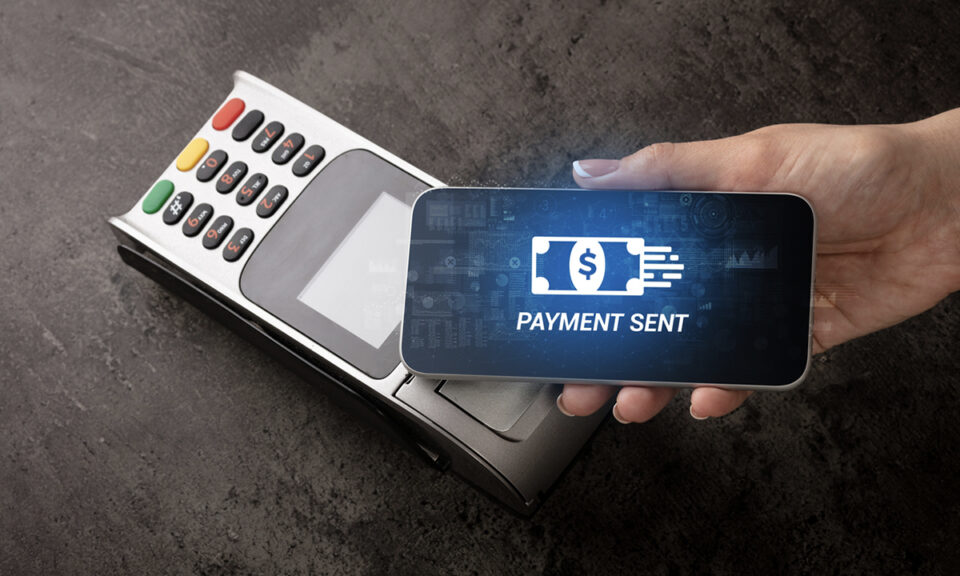
In today’s digital economy, offering fast and convenient payment options is essential for online businesses. Customers expect smooth, secure checkouts, and merchants who fail to provide them risk losing sales. Modern payment technologies help businesses improve conversion rates, reduce transaction friction, and strengthen customer loyalty.
What Are Modern Payment Methods?
Modern payment methods refer to digital, technology-enabled systems that allow money to be transferred quickly, securely, and conveniently across online platforms. Over the last twenty years, the payment landscape has moved beyond physical cash and traditional cards toward mobile-focused, seamless transactions carried out through smartphones, computers, and connected devices, making modern payment methods for businesses essential for improving customer experience and supporting efficient digital operations.
In the early days of online shopping, most transactions depended on basic card payment gateways. Today, newer solutions such as digital wallets, open banking transfers, and instalment-based payment options provide greater flexibility for customers while helping businesses enhance security, speed up settlement, lower processing costs, and create a smoother checkout experience that supports growth and customer satisfaction.
Key Types of Modern Payment Solutions
Open Banking Payments
Open banking enables customers to pay directly from their bank accounts without using cards or intermediaries.
Benefits include:
- Instant or near-instant settlement
- Lower processing fees
- Reduced fraud and chargeback risks
- Secure API-based connections regulated by financial authorities
Platforms such as Noda use this model to offer fast, low-cost bank payments across multiple European markets.
Buy Now, Pay Later (BNPL)
Services like Klarna and Clearpay allow customers to split purchases into instalments.
Advantages:
- Higher average order values
- Increased conversion rates
- Flexible payment options for shoppers
Consideration:
- Merchant fees may be higher than standard card payments.
Digital Wallets
Mobile wallets such as Apple Pay and Google Pay have become standard checkout tools.
Why they matter:
- One-tap payments improve speed
- Strong authentication enhances security
- Reduced checkout abandonment
QR Codes and Payment Links
Merchants can generate secure payment links or QR codes that customers scan to complete transactions instantly.
Useful for:
- Remote billing
- Social media sales
- Service businesses
- Frictionless mobile payments
- Local Real-Time Payment Systems
Regional solutions dominate certain markets and can be critical for international expansion.
Examples:
- BLIK in Poland
- Swish in Sweden
- MobilePay in Denmark
- iDEAL in the Netherlands
These systems often rely on direct bank transfers and mobile authentication, making them fast and widely trusted locally.
- Cryptocurrency Payments
Digital currencies such as Bitcoin and Ethereum offer global, intermediary-free payments.
Potential benefits:
Challenges:
Why Modern Payments Matter for Businesses
Choosing the right mix of payment options helps businesses:
A well-designed payment system is no longer optional – it is a competitive advantage that directly impacts sales, customer satisfaction, and long-term growth.
